



Circular bioeconomy is consolidating itself as one of the fundamental pillars for advancing towards a more sustainable, efficient, and environmentally friendly economic model. More and more companies, institutions, and research centers are committed to transforming waste and discards into new resources capable of generating economic value, reducing pollution, and decreasing reliance on traditional raw materials.
This model, based on the comprehensive utilization of biological resources, is revolutionizing sectors such as food, agriculture, energy, construction, and the technology industry. International experts agree that the circular bioeconomy will be one of the primary tools for combating climate change and accelerating the ecological transition in the coming decades.
What is the circular bioeconomy and why is it so important?
Circular bioeconomy combines two fundamental concepts: the sustainable use of biological resources and the maximum use of materials that traditionally ended up as waste.
Unlike the linear economic model based on “take, make, and dispose,” the circular bioeconomy aims to keep resources within the production system for as long as possible. This helps reduce waste, decrease polluting emissions, and generate new products from discarded materials.
Agricultural residues, forest waste, food by-products, biomass, or organic waste can be transformed today into biofuels, fertilizers, bioplastics, construction materials, or new renewable energy sources.
Waste is already an economic and environmental opportunity
Each year, millions of tons of organic waste are generated worldwide. For decades, much of this material ended up in landfills or was disposed of through highly polluting processes.
However, technological and scientific advancements are enabling the reuse of these discarded materials to create new products with high added value. Innovation in biotechnology, green chemistry, and renewable energy is driving a paradigm shift where waste ceases to be a problem and becomes an economic opportunity.
Companies in different countries are already using fruit peels, agricultural waste, or forest residues to manufacture biodegradable bioplastics, sustainable fuels, or natural fertilizers that can reduce the environmental impact of multiple industries.
Circular bioeconomy helps to combat climate change
One of the main benefits of this model is its positive impact on the environment. The reuse of waste reduces the extraction of natural resources, decreases greenhouse gas emissions, and promotes more efficient energy use.
Furthermore, the utilization of biomass and organic waste allows for reduced dependence on fossil fuels and progress towards more sustainable energy systems.
Experts point out that the circular bioeconomy will be key to achieving international climate goals and reducing the carbon footprint of highly polluting sectors.
Innovation, employment, and new opportunities for businesses
The expansion of the circular bioeconomy is also generating significant economic and employment opportunities. New startups, technology centers, and industrial companies are developing innovative solutions based on the reuse of biological resources.
The transformation of waste into new materials or energy sources drives the creation of specialized jobs in sectors linked to sustainability, environmental engineering, scientific research, and renewable energy.
Furthermore, many companies are discovering that embracing circular models not only improves their environmental image but also reduces production costs and increases their competitiveness.
Agriculture, food, and energy: the most transformed sectors
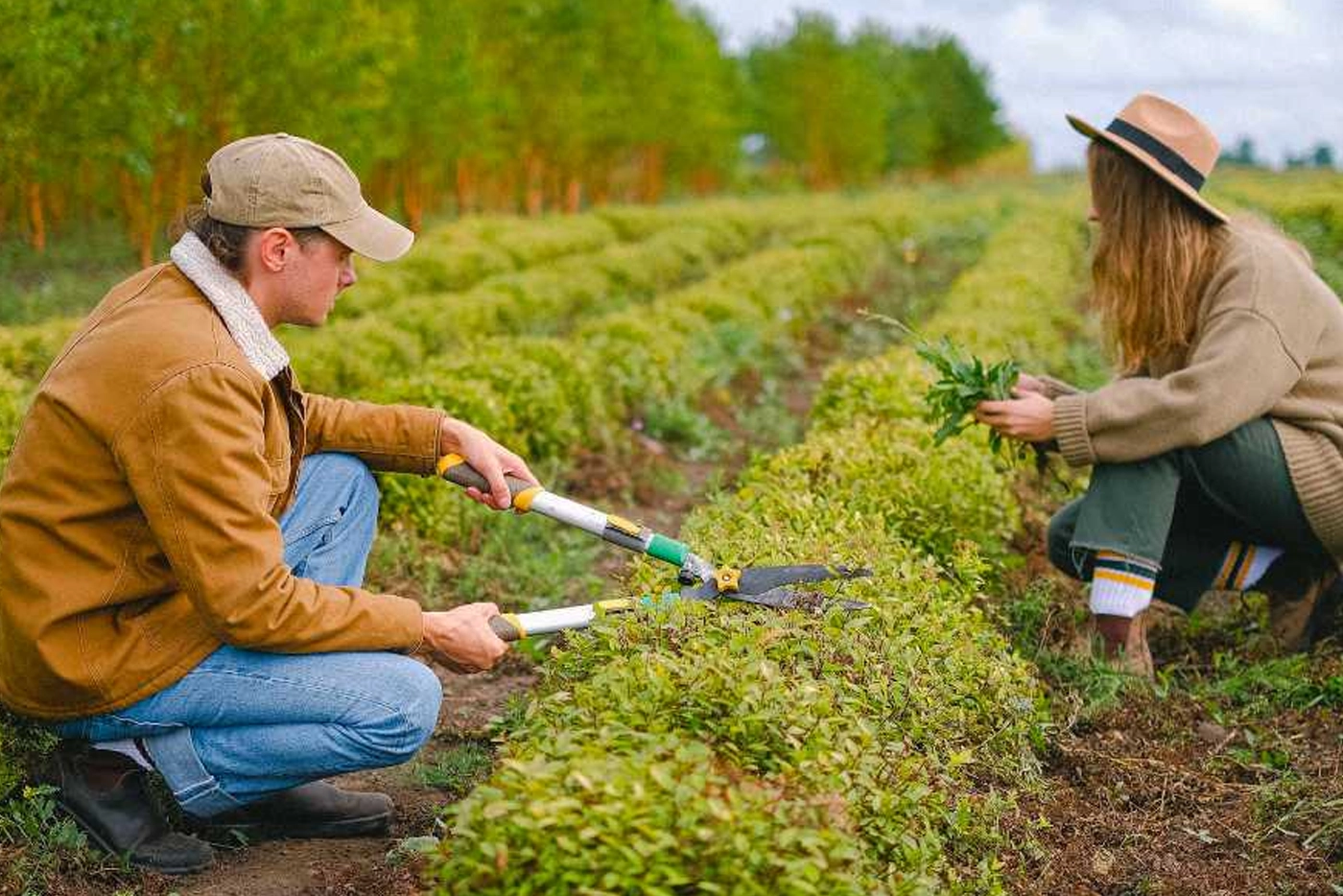
Agriculture and the food industry are two sectors where the circular bioeconomy is having a significant impact. Crop residues, livestock waste, and food byproducts are being reused to generate natural fertilizers, biogas, or new sustainable ingredients.
In the energy sector, biomass from forest and agricultural waste has become an increasingly important renewable alternative for producing sustainable electricity and heat.
Construction is also incorporating biodegradable and sustainable materials made from organic waste or plant fibers.
Europe drives the circular bioeconomy as a future strategy.
The European Union considers the circular bioeconomy a strategic tool for advancing towards a climate-neutral economy. Brussels is allocating billions of euros to projects related to the circular economy, advanced recycling, renewable energies, and sustainable use of biological resources.
Countries like Germany, France, Spain, and Finland already have specific programs to promote industries based on biomass, waste reuse, and the development of new sustainable materials.
The objective is to reduce European dependence on imported raw materials and accelerate the transition to a low-carbon economy.
The Great Challenge: Producing More While Polluting Less
The growth of the world population and increased consumption necessitate rethinking the way goods and food are produced. The circular bioeconomy emerges as one of the most promising solutions to address these challenges without increasing pressure on natural resources.
Experts warn that the economic future will increasingly depend on models capable of reusing materials, minimizing waste, and intelligently utilizing available resources.
In this context, transforming waste into new resources is no longer solely an environmental issue, but also a key strategy for ensuring competitiveness, innovation, and long-term sustainability.