





From persecuted species to ally of ecological restoration
For centuries, the European beaver was one of the most persecuted species on the continent. Intensive hunting for its fur, meat, and scent glands led to its disappearance from large regions of Europe, including Spain and the United Kingdom. However, in recent years, this semi-aquatic mammal has been staging one of the most surprising comebacks in European conservation.
Far from being a simple wildlife recovery, the return of the beaver is revealing a fundamental role in the fight against some of the greatest environmental challenges of the 21st century: biodiversity loss, droughts, forest fires and climate change.
A comeback that extends across Europe
After decades of protection and reintroduction programs, European beaver (Castor fiber) populations have experienced a remarkable recovery. The species is now estimated to number over 600,000 individuals and is no longer considered threatened internationally.
In Spain, where it disappeared centuries ago, the species began to reappear after the unauthorized release of some specimens in Navarre in 2003. Since then, its presence has spread through various river basins, including the Ebro, the Duero, the Tagus and the Guadalquivir.
Meanwhile, significant progress is also being made in the UK. The presence of a wild beaver was recently documented in the River Wensum in Norfolk, a particularly noteworthy event given that the species had disappeared from the area more than four centuries ago. This sighting adds to the ecological restoration programs that aim to return the beaver to its historical role in British ecosystems.
The architect of the wetlands
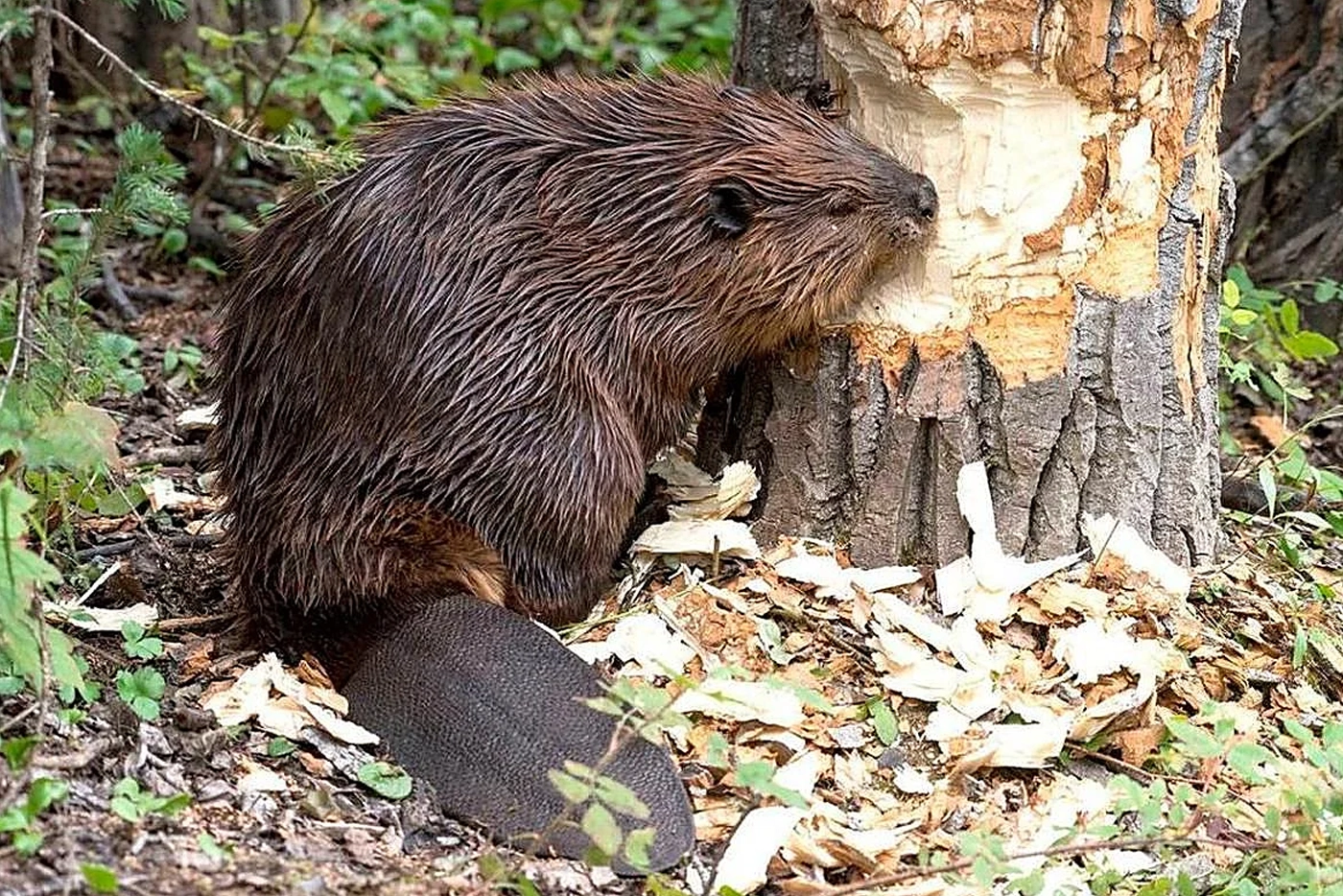
What makes the beaver an exceptional species is not only its recovery, but its ability to transform the environment.
By building dams with branches, mud, and sediment, beavers modify river flow and create small wetlands that generate far-reaching ecological benefits. For this reason, many scientists consider them an "ecosystem engineer."
Dams slow the flow of water, promote the accumulation of organic matter, and create habitats that benefit fish, amphibians, birds, and insects. Furthermore, these structures help restore degraded areas and increase the ecological complexity of river systems.
A natural tool against climate change
One of the most relevant discoveries of recent years is the ability of ecosystems created by beavers to store carbon.
Recent research in Europe has shown that areas influenced by beaver dams can store significantly more carbon than stretches of river without them. The slowing of the water promotes the accumulation of sediments rich in organic matter, which act as natural carbon sinks for decades.
This process transforms the wetlands created by beavers into genuine natural carbon sinks, capable of contributing to the reduction of greenhouse gases and to European nature-based climate mitigation strategies.
More water to deal with droughts
Europe is facing increasingly frequent episodes of prolonged drought and water stress. In this context, beavers are also proving to be unexpected allies.
Dams slow the movement of water and promote its infiltration into the subsoil, contributing to aquifer recharge. Although less water may be observed on the surface at certain times, ecosystems maintain greater underground reserves available during dry periods.
This ability to store water makes landscapes managed by beavers more resilient to the consequences of global warming and the increasing irregularity of rainfall.
Beavers as a natural barrier against fires
One of the aspects that is generating the most interest among scientists and environmental managers is the role of the beaver in preventing forest fires.
The wetlands created around their dams maintain much higher humidity levels than the surrounding environment. During large fires, these areas act as true ecological refuges where vegetation and wildlife find protection from the flames.
Several studies conducted in North America have shown that wetlands created by beavers are more likely to survive intense wildfires, acting as natural firebreaks and preserving local biodiversity. These findings are driving new ecological restoration initiatives based on the reintroduction of the species.
An ally for European biodiversity
Beyond its climatic and hydrological contribution, the beaver promotes the recovery of entire ecosystems.
The wetlands it creates increase the diversity of habitats available for numerous species and help restore ecological processes that had disappeared after centuries of human alteration of rivers.
Therefore, more and more experts believe that the recovery of the beaver should not be understood solely as a conservation measure for a species, but as a large-scale ecological restoration tool capable of providing environmental, climatic and social benefits.
A nature-based solution
At a time when Europe is seeking effective solutions to adapt to climate change, the return of the beaver offers a valuable lesson: some of the most innovative answers can be found in natural processes themselves.
The recovery of this species demonstrates how biodiversity restoration can generate direct benefits for water management, carbon sequestration, fire prevention, and ecosystem resilience. What for centuries was considered an extinct or problematic species is now becoming one of the best examples of how nature can help repair the environmental impacts of humankind.