


The Mediterranean, in danger from climate change: rising temperatures threaten its ecosystems and coasts
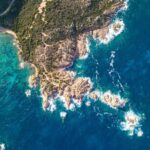
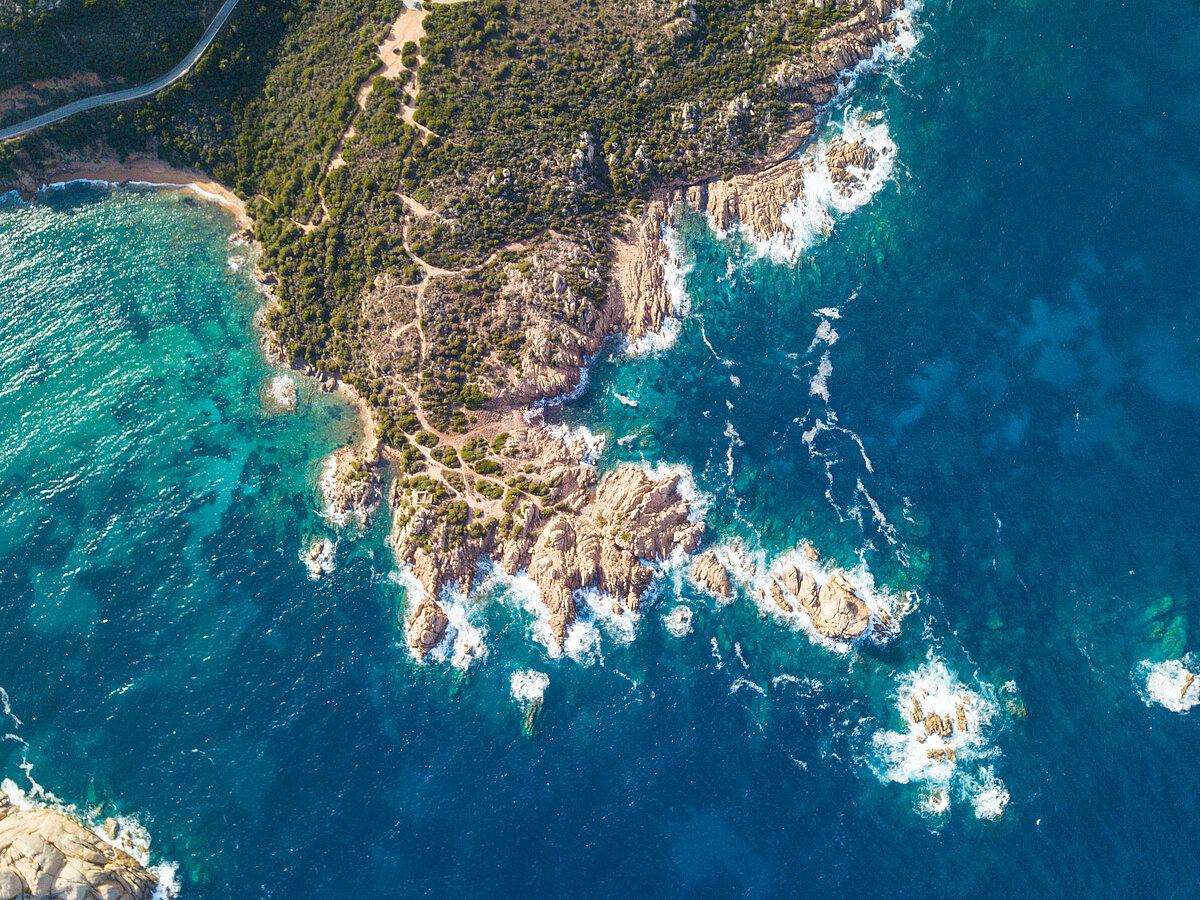
The Mediterranean Sea faces increasing environmental pressure due to climate change. The increase in water temperature, the rise in sea level, the loss of biodiversity and extreme weather events put their ecosystems, their coastal zones and the economic activities that depend on this environment at risk.
The Mediterranean is one of the regions most vulnerable to global warming. According to reports from the expert network MedECC, climate and environmental risks are intensifying, affecting both the marine environment and the communities living along its coasts.
The warming of the Mediterranean is accelerating
Rising temperatures are one of the primary environmental challenges for the Mediterranean basin. The warming of the water promotes the occurrence of marine heatwaves—episodes that can last for days or weeks and disrupt the balance of ecosystems.
Spain's climate risk assessment report, published in 2025, notes that since the early 1980s the Mediterranean has experienced warming two to three times greater than that observed in all of the world's oceans. This evolution is also related to an increase in the frequency, intensity and duration of marine heat waves.
The consequences are particularly significant for species that require specific temperature conditions to survive. When water remains too warm, some organisms experience thermal stress, their reproductive cycles are disrupted, and the risk of mortality increases.
Marine biodiversity, increasingly under threat
Climate change is altering the living conditions of numerous species in the Mediterranean. Rising water temperatures, ocean acidification, pollution, and human pressure make the conservation of vital habitats difficult.
Seagrasses, rocky bottoms and other coastal ecosystems play an essential role in maintaining biodiversity. They also contribute to carbon storage and natural coastal protection.
As environmental conditions change, some species move to other areas, while others face greater difficulty in adapting. Furthermore, the spread of non-native species can alter the relationships between organisms and modify the functioning of marine communities.
This transformation not only affects the ecological balance. It can also have an impact on fishing, the availability of marine resources and economic activities linked to the coast.
Rising sea levels threaten the coasts
Another of the most worrying effects of climate change is the rise in sea level. The warming of water causes its expansion and, together with the melting of land ice masses, contributes to raising the average height of the oceans.
In the Mediterranean, this process increases the vulnerability of beaches, wetlands, deltas, and urbanized areas near the coast. Coastal erosion and flooding can be exacerbated, especially when they coincide with storms and other extreme weather events.
The MedECC report on climate and environmental risks to Mediterranean coasts, published in 2024, highlights the interconnection between rising sea levels, water scarcity, high temperatures and extreme events.
These threats also affect infrastructure, housing, and tourism activities. Therefore, adapting coastal areas will be essential to reduce damage and protect the most vulnerable communities.
Droughts, heavy rainfall, and water scarcity
Climate change does not only affect the sea. The Mediterranean basin also faces significant risks related to water availability and the intensification of certain extreme phenomena.
Rising temperatures favor greater evaporation and can worsen droughts in many areas. At the same time, precipitation can be concentrated in intense episodes, increasing the risk of flash floods.
This combination poses a challenge for agriculture, water supply, the conservation of natural areas, and the management of water resources.
Additionally, prolonged periods of heat and drought can increase the risk of wildfires and put additional pressure on terrestrial ecosystems.
What can be done to protect the Mediterranean?
Reducing the risks associated with climate change requires acting on its causes and, at the same time, preparing the territory for the impacts that are already occurring.
Key measures include the reduction of greenhouse gas emissions, the protection of marine habitats, the restoration of coastal ecosystems, and more efficient water management.
It is also essential to limit pollution, improve coastal urban planning and develop adaptation strategies based on scientific knowledge.
Cooperation among Mediterranean countries is another key element, as environmental risks do not respect borders and require coordinated responses.
Protecting the Mediterranean means protecting our future.
The Mediterranean is much more than a natural space: it serves as a source of biodiversity, resources, economic activity, and well-being for millions of people. However, climate change is increasing the pressure on an environment that already bears significant impacts resulting from human activity.
MedECC scientific reports highlight the need to improve prevention, strengthen adaptation and move towards a more sustainable development model.
The future evolution of the Mediterranean will depend, to a large extent, on the decisions made over the coming years. Protecting its ecosystems and reducing emissions will be essential for preserving its natural wealth and limiting risks for future generations.
Sources: Network of Mediterranean Experts on Climate and Environmental Change (MedECC), report Climate and Environmental Coastal Risks in the Mediterranean (2024), and Report on the Assessment of Risks and Impacts of Climate Change in Spain (ERICC-2025), from the Ministry for the Ecological Transition and the Demographic Challenge.