




The possibility of a new episode forming SuperBoy Between the end of 2026 and the beginning of 2027 is generating growing concern among international meteorological organizations and climate change experts. Although there is still uncertainty about the final intensity of the phenomenon, several climate models agree that the equatorial Pacific Ocean shows signs of warming compatible with the development of a strong El Niño episode, a phenomenon capable of altering the global climate and increasing the risk of extreme events in numerous countries.
Interest in this situation has increased especially due to comparisons with some of the most intense events recorded in history, including the well-known SuperBoy of 1877, associated with one of the greatest documented global food crises. Although experts insist that a direct equivalence with that episode cannot be established, they do warn that a high-intensity phenomenon could amplify the effects of global warming that are already being observed today.
What is happening in the Pacific?
In recent months, various meteorological centers have detected a gradual increase in surface and subsurface temperatures across large areas of the equatorial Pacific. NOAA and other international agencies estimate a greater than 80% probability that El Niño will develop in 2026 and remain active through much of 2027.
Some climate models even contemplate scenarios in which thermal anomalies could exceed +2°C or +3°C compared to normal values, levels that are usually associated with so-called “Super El Niños,” the most intense category within this climate phenomenon.
However, scientific organizations remind us that it is still too early to confirm the definitive magnitude of the event and that there is significant uncertainty due to the so-called “spring predictability barrier,” one of the most complex phases for anticipating the future behavior of ENSO (El Niño-Southern Oscillation).
Why is a Superboy so worrisome?
El Niño alters global atmospheric circulation by releasing large amounts of heat accumulated in the Pacific Ocean into the atmosphere. As a consequence, it can modify rainfall and temperature patterns on numerous continents.
When the phenomenon reaches an exceptional intensity, the impacts can multiply:
- More intense and frequent heat waves.
- Prolonged droughts in vulnerable regions.
- Increase in forest fires.
- Torrential rains and floods.
- Agricultural losses and supply problems.
- Greater pressure on water and energy resources.
Experts recall that some of the most intense El Niño episodes have coincided with years of record global temperatures. In fact, the strong event recorded between 2023 and 2024 contributed to the planet reaching some of the highest thermal records ever observed.
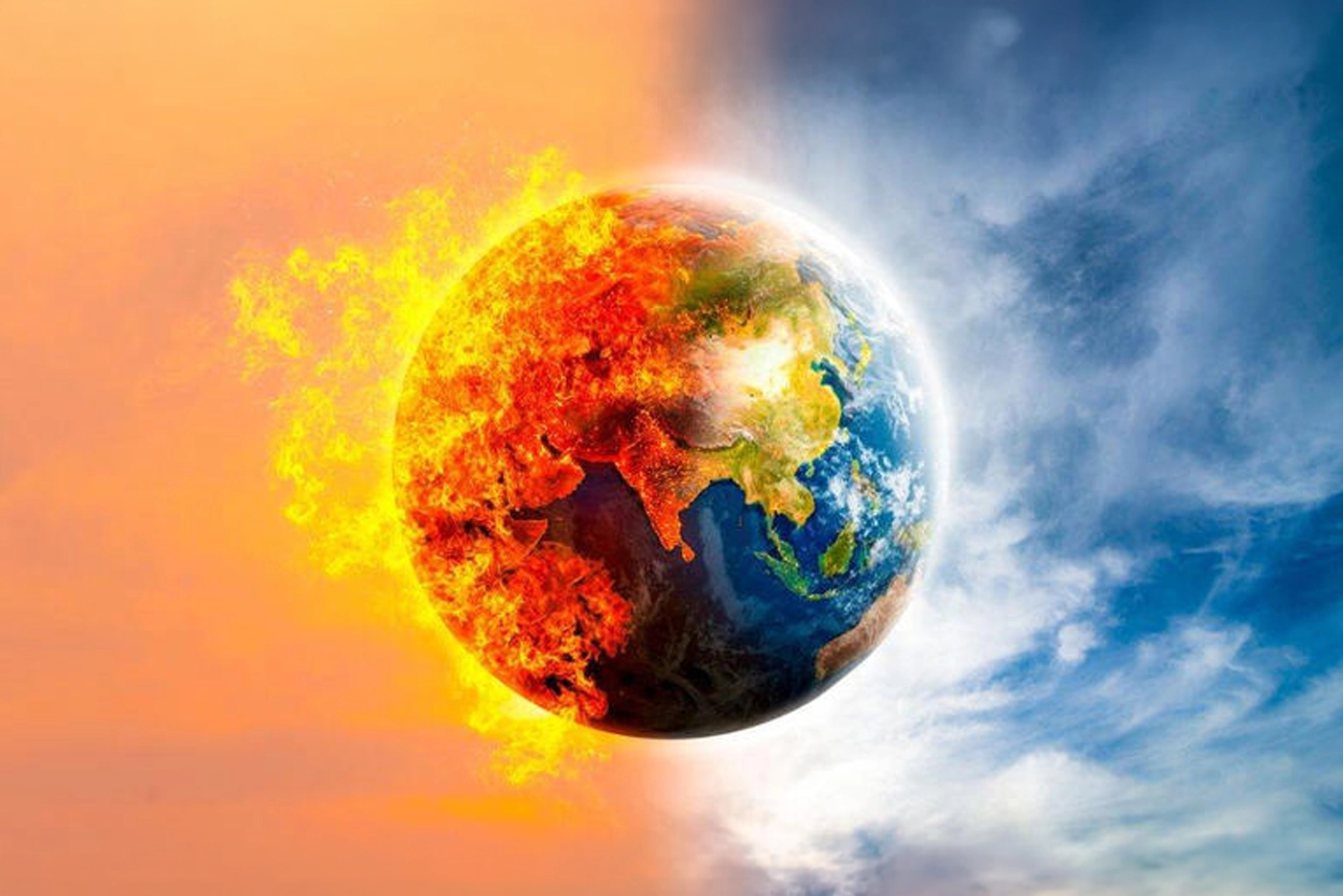
2027 could be one of the hottest years on record
Various reports from the World Meteorological Organization (WMO), the British Met Office, and NOAA warn that the combination of global warming and a possible strong El Niño could drive new climate records in the coming years.
Current forecasts indicate a high probability that the hottest years in modern history will be recorded between 2026 and 2030. If a Super El Niño eventually develops, many climatologists believe that 2027 could become the warmest year ever measured globally.
Some researchers explain that the maximum effects of El Niño usually manifest months after the phenomenon reaches its peak in the ocean, so the impact on global temperature is usually particularly noticeable the following year.
Global warming can worsen its consequences
One of the main differences with respect to historical events is that the planet is currently starting from much higher temperatures than those recorded decades ago.
Oceans are accumulating record levels of heat and atmospheric greenhouse gas concentrations continue to rise. In this context, an intense El Niño episode could act as a temporary amplifier of climate change effects.
Scientists warn that even if the phenomenon does not reach historic levels, its consequences could be felt more intensely due to the increasing vulnerability of numerous ecosystems and economic systems to extreme weather events.
Europe and Spain could also be affected
Although El Niño develops in the tropical Pacific, its effects extend globally through complex atmospheric connections.
Experts point out that Europe could experience significant climate anomalies during 2027, including more intense heatwaves, drought episodes, and greater meteorological instability. Spain is among the European countries particularly vulnerable due to its exposure to water stress and high summer temperatures.
Furthermore, regions such as Latin America, Southeast Asia, and parts of Africa could face significant disruptions to their rain cycles, with direct consequences on agriculture, water availability, and food security.
Experts ask for caution, but also preparation
Despite growing concern, meteorological agencies insist that there is still no absolute certainty about the final intensity of the phenomenon. Climate models continue to be updated and significant changes could occur in the coming months.
Nevertheless, the convergence of numerous indicators has led many researchers to consider that the risk of a strong event is sufficiently relevant to strengthen climate adaptation measures and preparedness for extreme phenomena.
The evolution of the Pacific during the second half of 2026 will be crucial in confirming whether the planet is truly facing a new Super Niño. Meanwhile, the scientific community maintains constant vigilance over a phenomenon that could decisively influence the global climate in the coming years.