





Europe faces winter with the most expensive gas since the end of 2022
The price of European natural gas has reached 100 euros per megawatt hour for the first time since December 2022. Geopolitical tension, difficulties in the supply of liquefied natural gas and lower than usual reserves increase energy uncertainty facing winter.
Europe is once again looking at the energy market with concern as winter approaches. The price of natural gas has seen a sharp rebound in October, reaching levels not seen since late 2022—at the height of the energy crisis triggered by the Russian invasion of Ukraine.
The European TTF reference contract, negotiated in the Dutch market, reached 100 euros per megawatt hour (€/MWh) on October 28, a threshold that had not been exceeded since December 2022. The rise reflects growing concern about the availability of supply and the evolution of international markets in the coming months.
According to data published by the Agency for the Cooperation of Energy Regulators (ACER), European Union gas reserves stood at around 75% of their capacity on October 21. This level is lower than that recorded in previous years, reducing the margin of safety with which the continent enters the season of peak consumption.
International tension puts pressure on gas supply
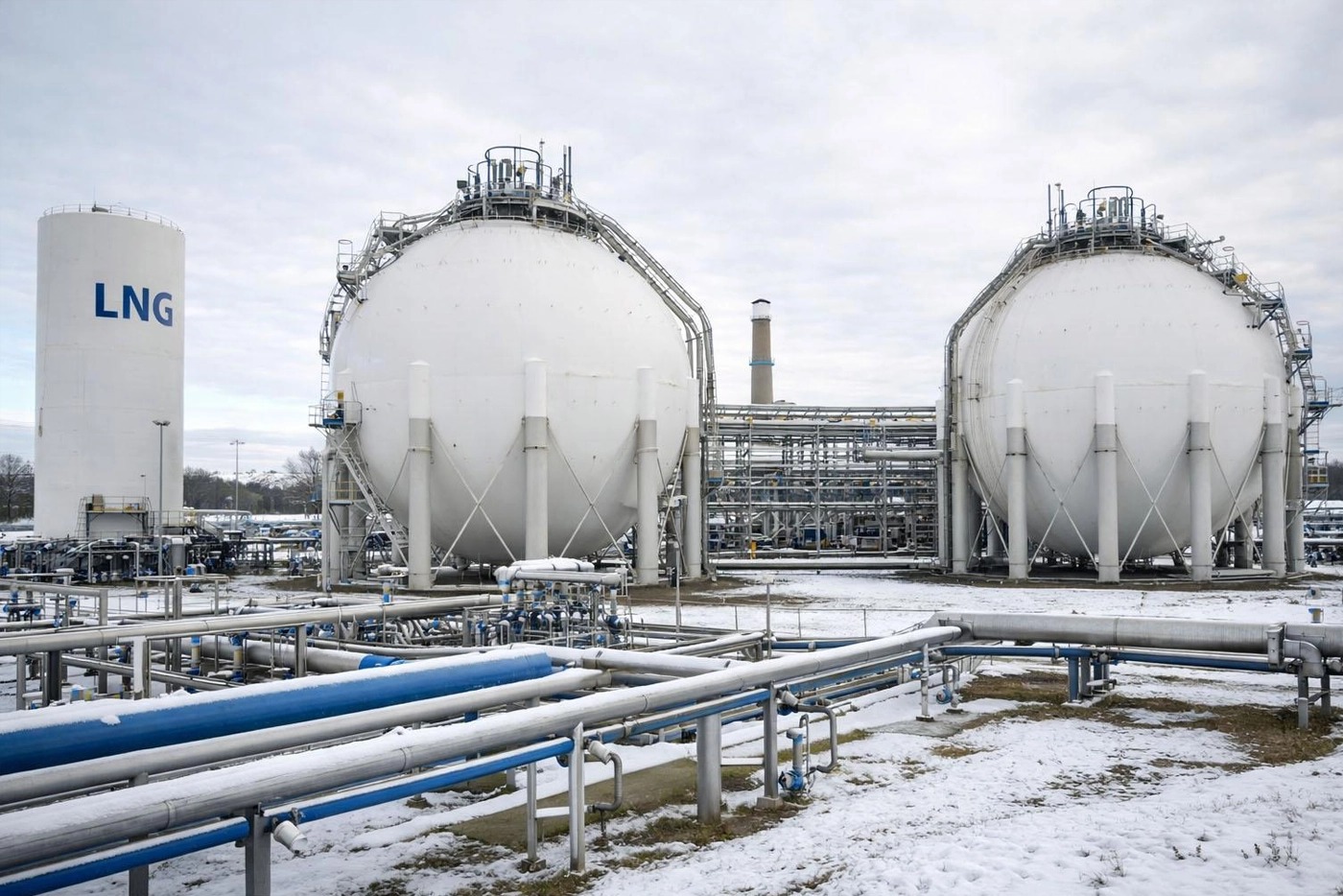
One of the main factors explaining the rise in costs is the geopolitical situation in the Middle East. Disruptions to international flows of liquefied natural gas (LNG)—particularly those involving Qatar and transit through the Strait of Hormuz—have reduced the availability of shipments on the international market.
This situation forces Europe to compete with other large consumers, especially Asian markets, to ensure the necessary supplies during the months of greatest demand.
The ACER report on the European wholesale market notes that difficulties in receiving LNG from Qatar have increased reliance on other suppliers, especially the United States. Currently, U.S. liquefied natural gas accounts for approximately 30% of the European Union’s total gas supply.
Added to this circumstance is the cost of replenishing reserves. The lower availability of gas and international competition have made storage operations more expensive, increasing the continent's energy bill.
A winter with lower safety reserves
The European storage situation adds pressure to the energy outlook. After ending the previous winter with smaller reserves than in previous years, European countries have had to face a more expensive and complicated replenishment campaign.
Germany finds itself in a particularly tight situation, with reserves at around 62%, while Italy is approaching 91%. The EU average is approximately 75%.
However, the European Commission considers that the community gas system has sufficient flexibility to meet the expected demand during the winter. According to its evaluation published on October 8, the greater LNG import capacity, the diversification of suppliers and the reduction in gas consumption compared to 2022 contribute to improving security of supply.
The primary risk centers on potential prolonged cold spells, which could accelerate the depletion of reserves and increase the need to procure gas in an already strained international market.
How can the rise in gas affect homes and businesses?
The rising cost of natural gas does not only affect energy companies. Its trend also has an impact on household utility bills and on the production costs across numerous industrial sectors.
At the domestic level, the impact can progressively be transferred to supply contracts and regulated tariffs. In Spain, the Last Resort Rate (TUR) for gas is reviewed quarterly, so the evolution of the wholesale markets will be relevant for the next price adjustments.
Heating, domestic hot water, and cooking are among the household uses most exposed to potential increases in energy costs.
In the industrial sector, activities such as steel manufacturing, chemicals, fertilizers, ceramics and glass are highly dependent on natural gas. A sustained increase in its price can raise operating costs, reduce business margins and affect the competitiveness of European companies.
Furthermore, gas also influences the electricity market, as combined-cycle power plants participate in electricity generation and can determine the wholesale price during certain periods.
Spain faces a more expensive European energy market
Although Spain possesses significant regasification infrastructure and a greater diversification of its gas supply routes, it is not immune to international tensions.
The availability of facilities to receive liquefied natural gas allows access to different supplier markets, but does not prevent increases in international prices from having an impact on supply costs.
For this reason, the evolution of the TTF and international markets will continue to be an important indicator for anticipating the behavior of energy prices in Spain over the coming months.
How the winter unfolds will shape the energy market
The coming weeks will be crucial in determining how the European gas market evolves. Weather conditions, the continued flow of international supplies, and the ability of countries to maintain their reserves will be decisive factors.
The energy sector warns that an episode of intense cold could lead to further price spikes, especially if it coincides with additional disruptions to LNG supplies.
Europe currently has more import infrastructure and greater energy diversification than it did during the 2022 crisis. Nevertheless, storage levels and international uncertainty continue to exert pressure on the market.
Next winter will once again test European energy security and the ability of homes, companies and industries to face a scenario of high energy costs.